
Contaminated land remediation services UK

```html

Contaminated land remediation services play a crucial role in restoring the environment and ensuring public safety. These services involve assessing, managing, and cleaning up polluted sites to remove hazardous substances. By employing advanced technologies and methodologies, remediation experts can effectively address various types of contamination, including soil, groundwater, and surface water pollution. This process not only helps in mitigating health risks but also revitalizes the land for future use, making it safe for residential, commercial, or industrial development.

Effective remediation requires a comprehensive approach that begins with a detailed site assessment. This includes identifying the types and levels of contaminants present, as well as understanding the site's geology and hydrology. Once the assessment is complete, a tailored remediation plan is developed, which may involve techniques such as excavation, bioremediation, or chemical treatment. The goal is to reduce or eliminate the contaminants to levels that comply with regulatory standards, ensuring the site is safe for its intended use.

Collaboration with regulatory agencies and stakeholders is essential throughout the remediation process. This ensures that all actions taken are in compliance with environmental laws and regulations, and that the concerns of the community are addressed. Open communication and transparency are key to building trust and achieving successful outcomes. By transforming contaminated sites into clean, usable land, remediation services contribute to sustainable development and the protection of natural resources.

```

contaminated land remediation services
```html

Understanding Contaminated Land Remediation

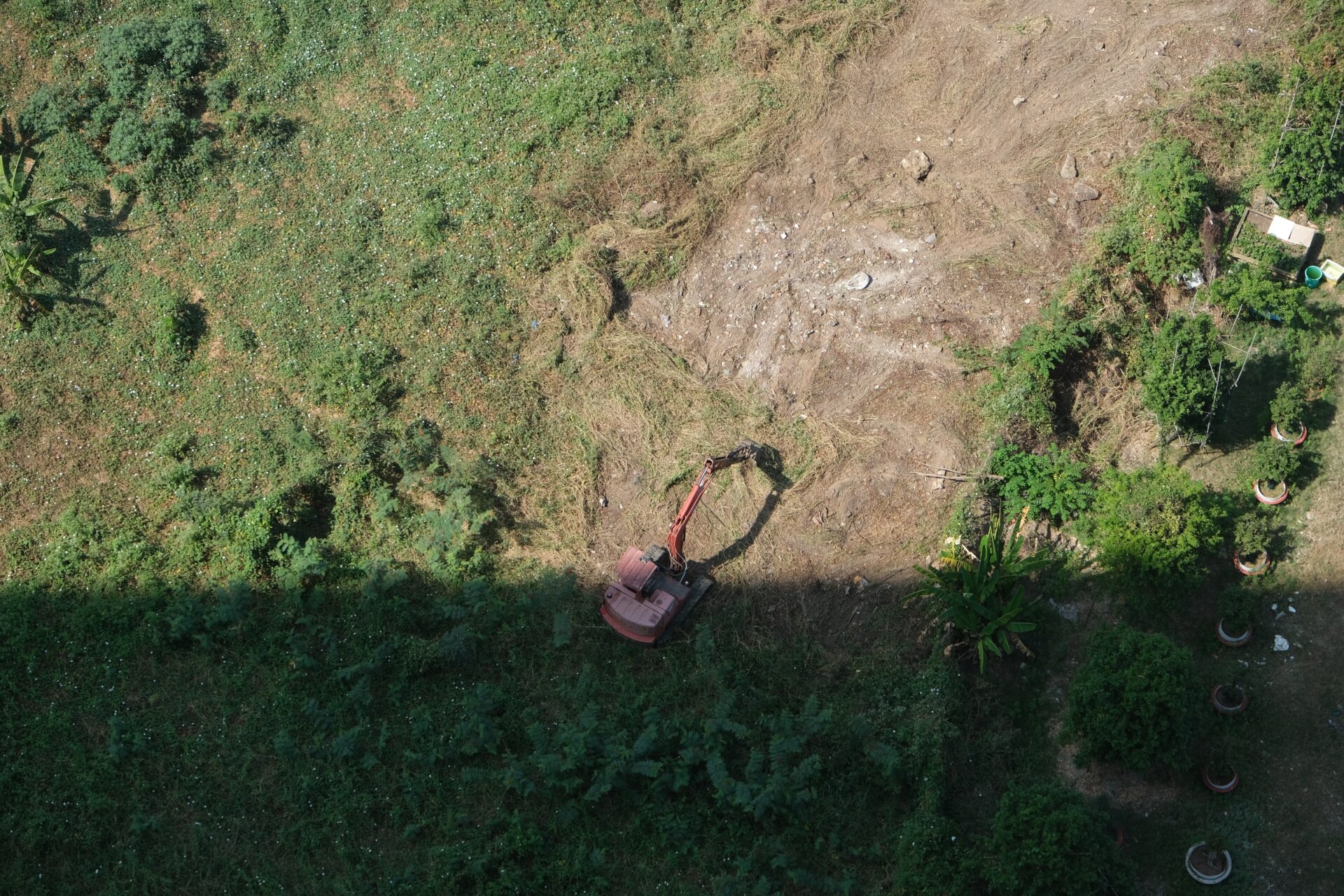
Contaminated land remediation involves the process of cleaning up and restoring land that has been polluted by hazardous substances. In the UK, this is a crucial service due to the country's industrial history, which has left many sites contaminated with chemicals, heavy metals, and other pollutants. The goal is to make these sites safe for future use, whether for residential, commercial, or public purposes.

Common Causes of Land Contamination

Land contamination can result from various activities. Industrial processes, waste disposal, agricultural practices, and accidental spills are common culprits. Over time, these activities can lead to the accumulation of harmful substances in the soil and groundwater, posing risks to human health and the environment.

Regulations Governing Land Remediation in the UK

The UK has stringent regulations in place to manage contaminated land. The Environmental Protection Act 1990 and the Contaminated Land (England) Regulations 2006 are key legislative frameworks. These laws outline the responsibilities of landowners and local authorities in identifying, assessing, and remediating contaminated sites. Compliance with these regulations ensures that remediation efforts are effective and sustainable.

Techniques Used in Contaminated Land Remediation

Several techniques are employed to remediate contaminated land. Bioremediation uses microorganisms to break down pollutants into less harmful substances. Soil washing involves removing contaminants from soil using water or chemical solutions. In situ chemical oxidation involves injecting chemicals into the ground to neutralize pollutants. Each method is chosen based on the type and extent of contamination, as well as the intended future use of the land.

The Role of Environmental Consultants

Environmental consultants play a vital role in the remediation process. They conduct site assessments to determine the level of contamination and recommend appropriate remediation strategies. Their expertise ensures that remediation efforts are both effective and compliant with regulatory requirements. Consultants also liaise with local authorities and stakeholders to facilitate the remediation process.

Challenges in Contaminated Land Remediation

Remediating contaminated land can be complex and challenging. Identifying the full extent of contamination requires thorough investigation and analysis. Additionally, remediation can be costly and time-consuming, particularly for large or heavily contaminated sites. Balancing the needs of development with environmental protection adds another layer of complexity to the process.

Benefits of Successful Land Remediation

Successful remediation of contaminated land offers numerous benefits. It reduces health risks to humans and wildlife by removing or neutralizing hazardous substances. Remediation also enhances the value of the land, making it suitable for development and use. Furthermore, it contributes to environmental sustainability by restoring ecosystems and promoting biodiversity.

Future Trends in Land Remediation

The field of land remediation is continually evolving with advancements in technology and science. Emerging techniques such as phytoremediation, which uses plants to absorb contaminants, are gaining traction. There is also a growing emphasis on sustainable remediation practices that minimize environmental impact. As awareness of environmental issues increases, the demand for effective and innovative remediation solutions is expected to rise.

Conclusion

Contaminated land remediation is a vital service in the UK, addressing the legacy of industrial pollution and ensuring safe, sustainable land use. Through a combination of regulatory compliance, expert consultation, and innovative techniques, contaminated sites can be transformed into valuable assets for communities and the environment. ```

UK Info

```html Information about the UK

Welcome to the United Kingdom

Weather

The UK experiences a temperate maritime climate. This means mild temperatures and frequent rainfall throughout the year. Summers are generally warm, with temperatures averaging between 15°C to 25°C (59°F to 77°F), while winters are cool, with temperatures ranging from 0°C to 7°C (32°F to 45°F).

Local Time

The UK operates on Greenwich Mean Time (GMT) during the winter months and British Summer Time (BST) during the summer months, which is GMT+1.

Population

The United Kingdom has a population of approximately 67 million people. It is a diverse nation with a rich cultural heritage.

Restaurants

```