
Contaminated land remediation UK

```html

Contaminated land remediation is a critical process aimed at restoring polluted sites to safe and usable conditions. This involves identifying and assessing the extent of contamination, which can result from industrial activities, waste disposal, or accidental spills. Once the contaminants are identified, appropriate remediation strategies are developed to address the specific types of pollutants present. These strategies may include physical removal, chemical treatment, or biological methods to neutralize or remove harmful substances from the soil and groundwater.

Effective remediation requires a thorough understanding of the site's geology, hydrology, and the behavior of contaminants in the environment. Specialists often use a combination of techniques to ensure that the remediation process is both effective and sustainable. For example, bioremediation leverages natural processes by using microorganisms to break down pollutants into less harmful substances. This method is particularly useful for organic contaminants and can be a cost-effective solution for large-scale projects.

Community involvement and communication are essential components of successful contaminated land remediation projects. Engaging with local stakeholders helps to address concerns and ensures transparency throughout the remediation process. Public meetings, informational sessions, and regular updates can foster trust and cooperation between the remediation team and the community. By working together, it is possible to transform contaminated sites into safe, productive areas that benefit both the environment and the local population.

```

contaminated land remediation services
```html

Understanding Contaminated Land Remediation

Contaminated land remediation is a critical process in the UK, aimed at managing and mitigating the risks associated with land that has been polluted by hazardous substances. This process is essential for ensuring the safety of the environment and public health, as well as for enabling the redevelopment of land for new uses. The remediation process involves identifying the contaminants present, assessing the risks they pose, and implementing strategies to remove or contain them.

Common Contaminants Found in UK Land

In the UK, contaminated land can be affected by a variety of pollutants. These include heavy metals like lead and mercury, hydrocarbons from oil spills, asbestos from old buildings, and chemicals from industrial processes. Each contaminant requires specific methods for remediation, depending on its nature and the extent of contamination.

Methods of Remediation

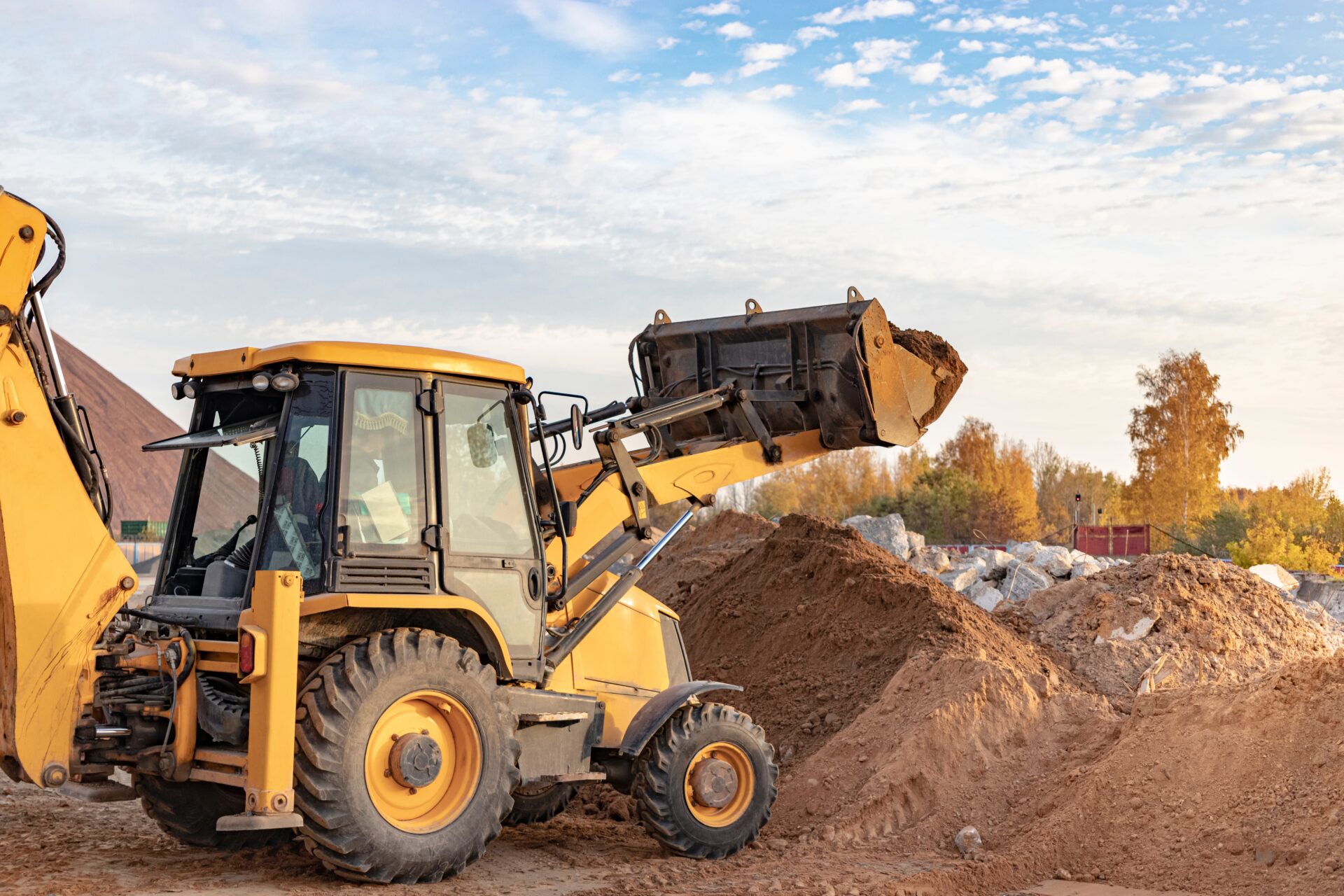
There are several methods used to remediate contaminated land, each suited to different types of contaminants and site conditions. - **Excavation and Removal**: This involves physically removing contaminated soil and transporting it to a designated disposal site. It's effective for heavily contaminated areas but can be costly and disruptive. - **Bioremediation**: This method uses microorganisms to break down pollutants in the soil. It's a sustainable option that works well for organic contaminants like oil and solvents. - **Soil Washing**: This technique involves washing the soil with a solution to separate contaminants. It's useful for soils contaminated with heavy metals and hydrocarbons. - **Stabilization and Solidification**: These methods involve adding materials to the soil to immobilize contaminants, preventing them from leaching into groundwater.

Regulations and Guidelines

The UK has stringent regulations governing contaminated land remediation. The Environmental Protection Act 1990 sets out the legal framework for identifying and managing contaminated sites. Local authorities are responsible for inspecting land and determining whether it poses a significant risk to health or the environment. The Environment Agency provides additional guidance and oversight for remediation projects.

The Role of Environmental Consultants

Environmental consultants play a crucial role in the remediation process. They conduct site assessments to identify contaminants and evaluate the risks they pose. Consultants also develop remediation plans, selecting the most appropriate methods for each site. Their expertise ensures that remediation projects comply with regulations and achieve the desired outcomes.

Challenges in Remediation

Remediating contaminated land can be challenging due to several factors. The complexity of contamination, the cost of remediation, and the potential impact on local communities all need to be considered. Additionally, finding suitable disposal sites for contaminated materials can be difficult, especially in densely populated areas.

Benefits of Successful Remediation

Successful remediation of contaminated land offers numerous benefits. It reduces health risks to the public and the environment, allowing land to be safely used for housing, commercial, or recreational purposes. Remediation also enhances property values and can stimulate economic development by making previously unusable land available for new projects.

Future of Contaminated Land Remediation

The future of contaminated land remediation in the UK looks promising, with advancements in technology and increased awareness of environmental issues driving improvements in remediation techniques. Innovations such as phytoremediation, which uses plants to absorb contaminants, and the use of drones for site assessments, are making the process more efficient and effective.

Conclusion

Contaminated land remediation is a vital process that ensures the safety and sustainability of the environment in the UK. By understanding the methods, regulations, and challenges involved, stakeholders can work together to effectively manage contaminated sites and unlock their potential for future use. ```

UK Info

```html UK Information

United Kingdom

Weather

The United Kingdom experiences a temperate maritime climate, characterized by mild temperatures and moderate rainfall throughout the year. Summers are generally warm, while winters can be cold with occasional snowfall.

Local Time

The local time in the UK follows Greenwich Mean Time (GMT) during the winter months and British Summer Time (BST), which is GMT+1, during the summer months.

Population

The UK has a population of approximately 67 million people, making it one of the most populous countries in Europe.

Restaurants

```