Top 5 Land Remediation Services to Restore Your Site Safely
Understanding Land Remediation
Land remediation is a critical process for restoring contaminated sites to a safe and usable condition. It involves the removal, treatment, or containment of pollutants and contaminants in soil, groundwater, or surface water. This process not only ensures environmental safety but also enhances the value and usability of the land.
Bioremediation
Bioremediation is a natural process that uses microorganisms to break down hazardous substances into less toxic or non-toxic materials. This method is particularly effective for organic contaminants such as petroleum hydrocarbons. By harnessing the power of nature, bioremediation offers an eco-friendly and cost-effective solution for land restoration.
Microorganisms are introduced or stimulated in the contaminated area, where they metabolize the pollutants. This method is often used for soil and groundwater remediation and can be applied in situ (on-site) or ex situ (off-site). The process is monitored to ensure that the desired level of decontamination is achieved.
Soil Vapor Extraction
Soil vapor extraction (SVE) is a widely used technique for removing volatile organic compounds (VOCs) from the soil. This method involves the installation of extraction wells in the contaminated area. A vacuum is applied to these wells, which draws out the vapors from the soil.
The extracted vapors are then treated to remove or destroy the contaminants. SVE is effective for sites with high concentrations of VOCs and is often used in combination with other remediation methods to achieve comprehensive site cleanup.
Thermal Desorption
Thermal desorption is a technology that uses heat to increase the volatility of contaminants, making them easier to remove from the soil. The contaminated soil is heated, causing the pollutants to vaporize. These vapors are then collected and treated to remove the contaminants.
This method is effective for a wide range of contaminants, including petroleum hydrocarbons, pesticides, and heavy metals. Thermal desorption can be conducted on-site or off-site, depending on the specific requirements of the project.
Phytoremediation
Phytoremediation is an innovative approach that uses plants to clean up contaminated soil and water. Certain plants have the ability to absorb, degrade, or stabilize contaminants through their roots, stems, and leaves. This method is particularly effective for heavy metals and organic pollutants.
Phytoremediation is a sustainable and cost-effective solution that enhances the aesthetic value of the site while providing environmental benefits. It is suitable for large areas with low to moderate levels of contamination.
Excavation and Off-Site Disposal
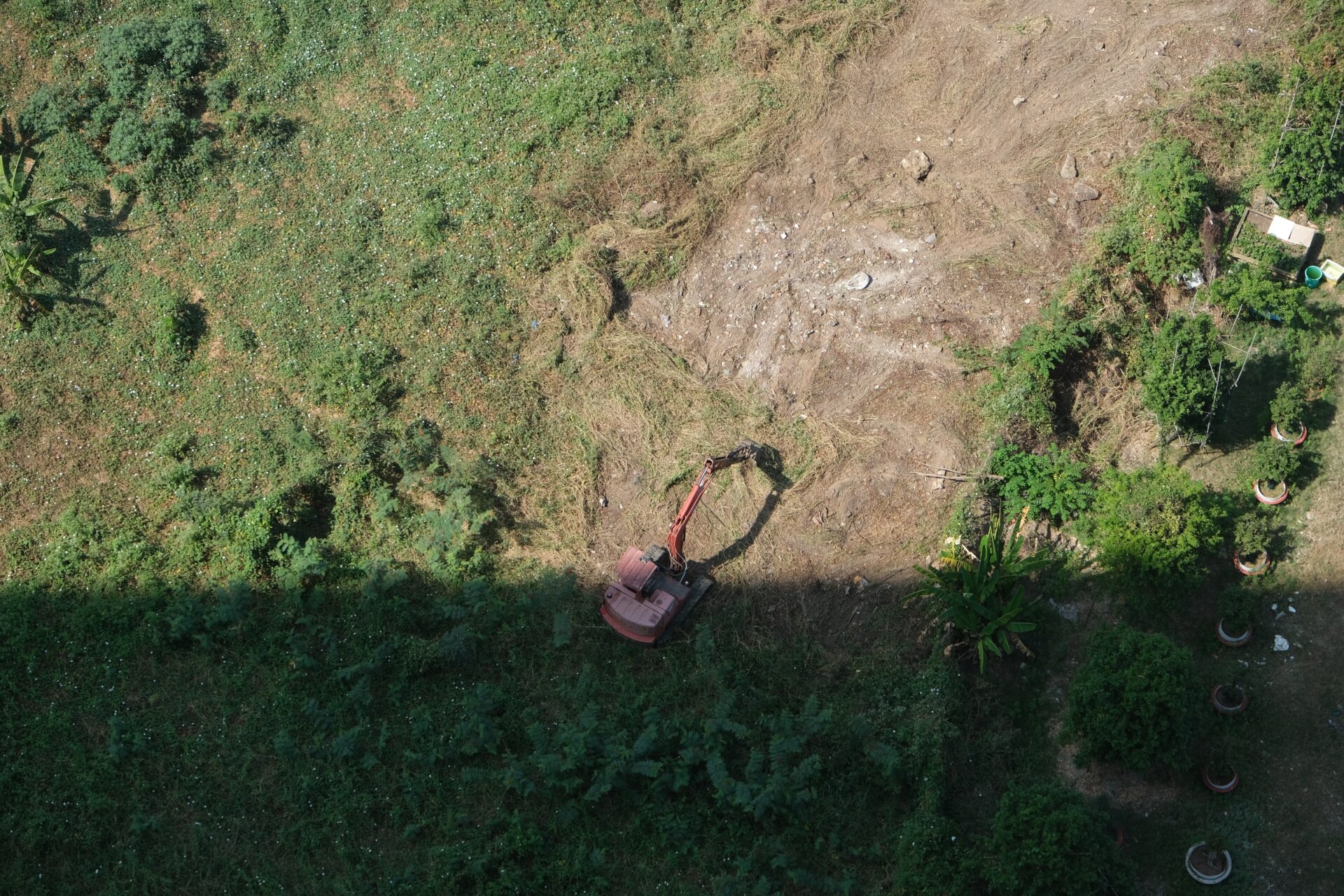
Excavation and off-site disposal is a traditional method of land remediation that involves the physical removal of contaminated soil. The excavated soil is transported to a licensed disposal facility where it is treated or disposed of safely.
This method is effective for sites with high levels of contamination and where other remediation techniques are not feasible. While it is a more costly option, it provides immediate results and ensures that the contaminants are completely removed from the site.
Conclusion
Choosing the right land remediation service is crucial for restoring your site safely and effectively. Each method has its own advantages and is suited for specific types of contaminants and site conditions. By understanding the options available, you can make an informed decision that ensures the safety and usability of your land.