
Land remediation services UK

```html

Land remediation services play a crucial role in transforming contaminated sites into safe and usable spaces. These services involve a range of techniques and processes designed to remove pollutants from soil, groundwater, and surface water. By addressing contamination issues, land remediation helps to protect public health and the environment, while also enabling the redevelopment of previously unusable land for residential, commercial, or industrial purposes.

One of the primary methods used in land remediation is soil excavation and removal. This process involves physically removing contaminated soil from a site and replacing it with clean soil. Other techniques include in-situ treatments, such as bioremediation and chemical oxidation, which work to neutralize or break down pollutants directly within the soil or groundwater. These methods are selected based on the type and extent of contamination, as well as the specific needs of the site.

Effective land remediation requires collaboration between environmental engineers, scientists, and regulatory agencies. Together, they assess the contamination, develop a remediation plan, and monitor the progress to ensure that the site meets safety standards. This collaborative approach not only ensures the success of the remediation process but also helps to build trust with the community by demonstrating a commitment to environmental stewardship and public safety.

```

contaminated land remediation services
```html Land Remediation Services UK

Understanding Land Remediation

Land remediation is a crucial process that involves the removal of pollution or contaminants from soil, groundwater, sediment, or surface water. This process is essential for ensuring that land is safe for future use, whether it's for residential, commercial, or industrial purposes. In the UK, land remediation is a vital service due to the country's industrial history, which has left many sites contaminated.

The Importance of Land Remediation

Contaminated land can pose significant risks to human health and the environment. Pollutants can seep into water supplies, affect local wildlife, and even impact the health of communities living nearby. Remediation not only mitigates these risks but also revitalizes land, making it suitable for development and use. This is particularly important in urban areas where space is limited, and the demand for new housing and commercial spaces is high.

Common Contaminants in the UK

The UK has a diverse range of contaminants due to its varied industrial past. Common pollutants include heavy metals like lead and mercury, hydrocarbons from oil spills, asbestos from old buildings, and chemicals from manufacturing processes. Each contaminant requires a specific approach to remediation, making it essential to understand the nature and extent of the contamination before proceeding.

Methods of Land Remediation

There are several methods used in land remediation, each tailored to the type of contamination and the characteristics of the site. Some common techniques include:

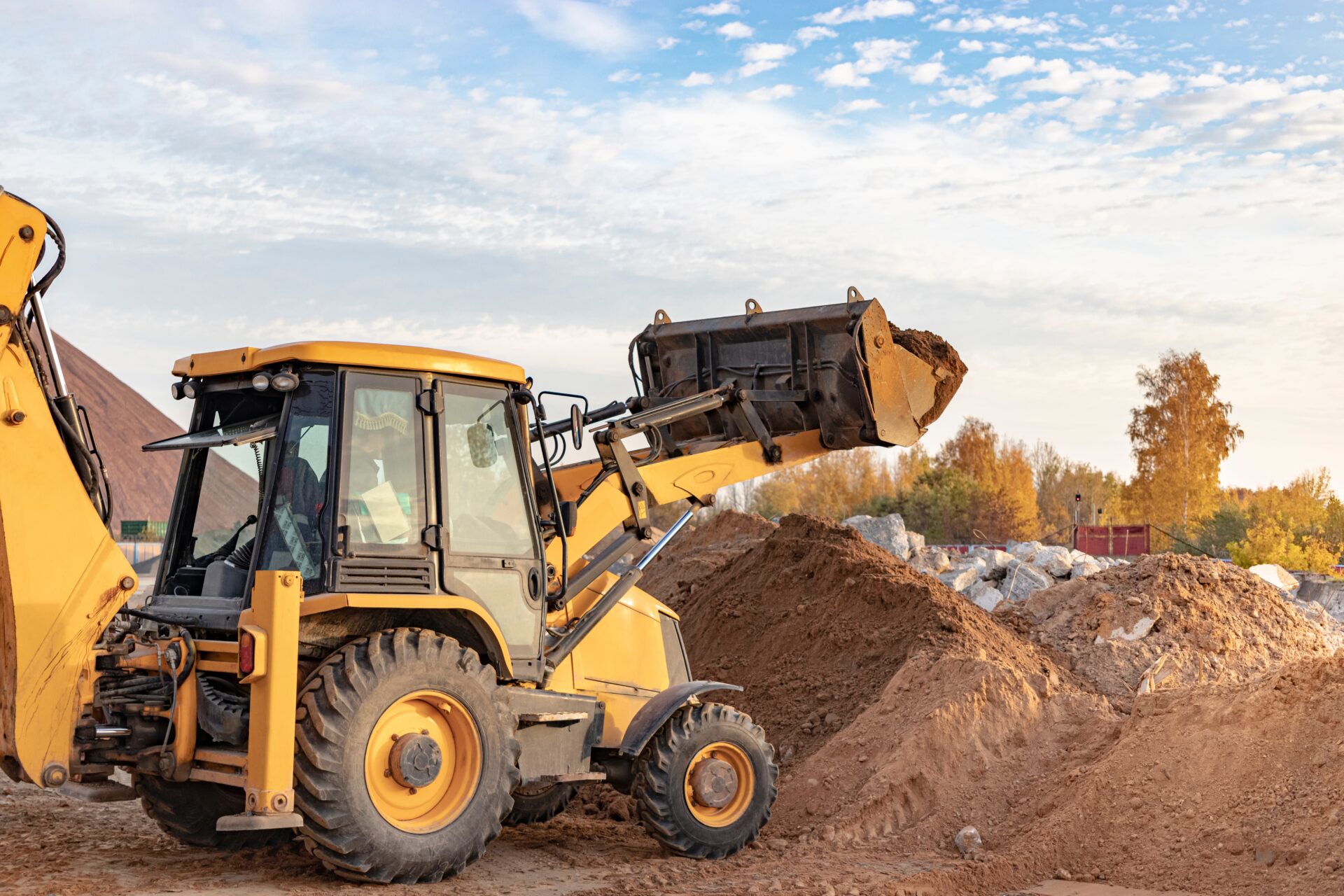
  • Excavation and Disposal: This involves removing contaminated soil and transporting it to a designated landfill. It's a straightforward method but can be costly and disruptive.
  • Bioremediation: This method uses microorganisms to break down pollutants in the soil. It's an environmentally friendly option that can be effective for organic contaminants.
  • Soil Washing: This technique involves washing the soil with a solution to remove contaminants. It's particularly effective for heavy metals and is often used in conjunction with other methods.
  • Thermal Treatment: This involves heating the soil to high temperatures to volatilize and destroy contaminants. It's effective for organic pollutants but can be energy-intensive.

Regulations and Standards

In the UK, land remediation is governed by strict regulations to ensure safety and effectiveness. The Environment Agency provides guidelines and standards that must be adhered to during the remediation process. These regulations ensure that the remediation efforts are thorough and that the land is safe for its intended use post-remediation.

Choosing a Land Remediation Service

When selecting a land remediation service in the UK, it's important to consider the company's experience, expertise, and track record. A reputable service provider will conduct a thorough site assessment, develop a tailored remediation plan, and ensure compliance with all relevant regulations. It's also beneficial to choose a company that offers a range of remediation techniques to address different types of contamination.

The Future of Land Remediation

As technology advances, new methods and techniques for land remediation continue to emerge. Innovations in bioremediation, the use of drones for site assessments, and advancements in soil analysis are just a few examples of how the field is evolving. These developments promise to make land remediation more efficient, cost-effective, and environmentally friendly in the years to come.

Conclusion

Land remediation is an essential service in the UK, ensuring that contaminated sites are made safe and suitable for future use. With a range of methods available and strict regulations in place, land remediation services play a crucial role in protecting public health and the environment. As the industry continues to evolve, it will be exciting to see how new technologies and approaches further enhance the effectiveness of land remediation efforts.

```

UK Info

```html UK Information

Welcome to the United Kingdom

Weather

The UK experiences a temperate maritime climate. This means mild temperatures and a fair amount of rainfall throughout the year. Summers are generally warm, with temperatures averaging around 18°C (64°F), while winters are cool, averaging around 5°C (41°F).

Local Time

The UK operates on Greenwich Mean Time (GMT) during the winter months and British Summer Time (BST), which is GMT+1, during the summer.

Population

The United Kingdom has a population of approximately 67 million people. It is a diverse nation with a rich cultural heritage.

Restaurants

```