
Site remediation UK

```html

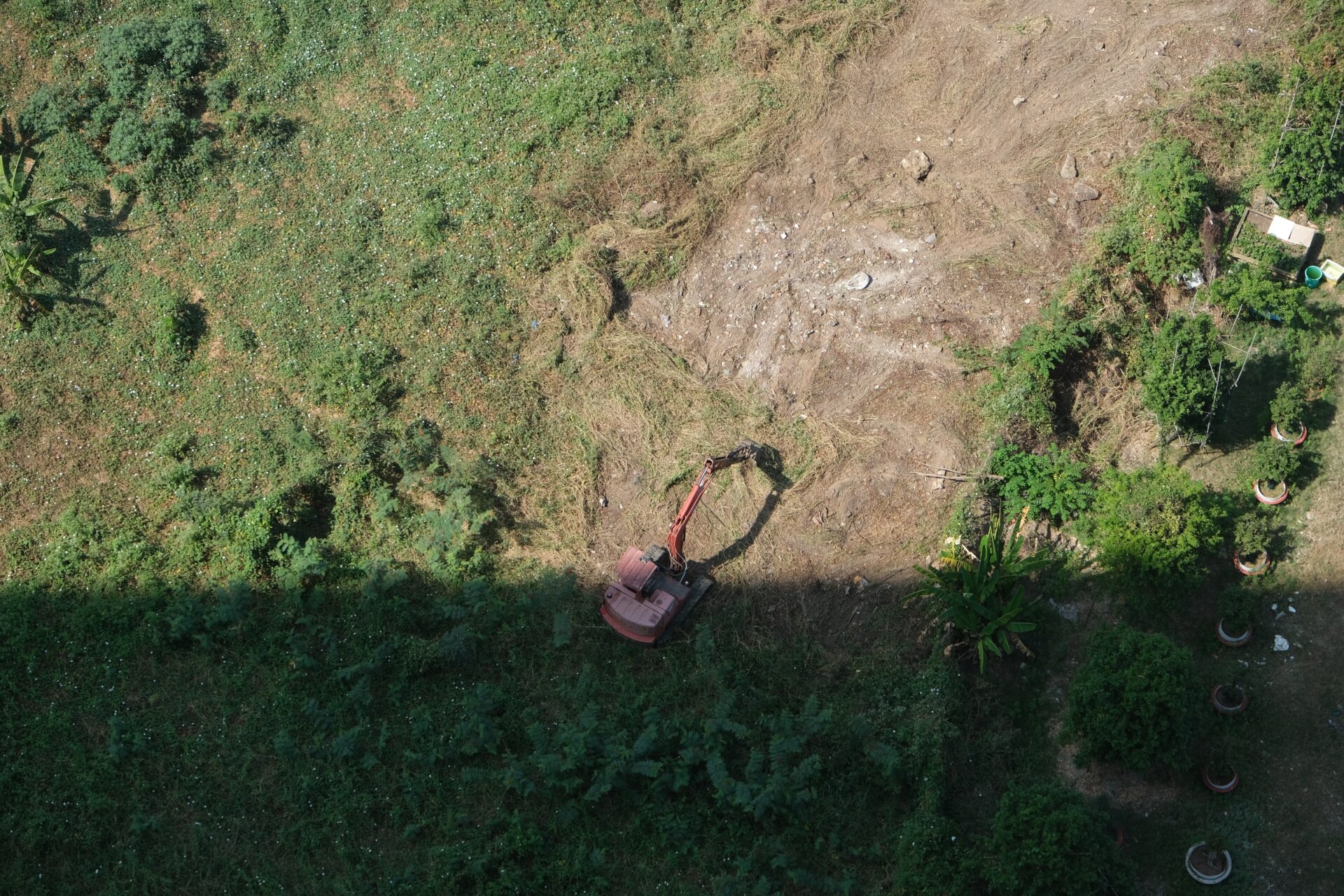
Site remediation involves the cleanup and restoration of contaminated land to ensure it is safe for future use. This process often begins with a thorough assessment to identify the types and levels of contaminants present. Once the assessment is complete, a plan is developed to address the contamination, which may include removing hazardous materials, treating contaminated soil or water, and monitoring the site to prevent future issues.

Several techniques can be employed during site remediation, each tailored to the specific conditions and contaminants present. Common methods include bioremediation, which uses microorganisms to break down pollutants, and chemical oxidation, where chemicals are used to convert harmful substances into less toxic ones. Physical methods, such as soil vapor extraction and thermal treatment, can also be effective in removing or reducing contaminants.

Successful site remediation not only protects human health and the environment but can also enhance property values and support community development. Engaging with stakeholders, including local residents and regulatory agencies, is crucial throughout the process to ensure transparency and address any concerns. By restoring contaminated sites, communities can transform previously unusable land into valuable assets that contribute to economic growth and environmental sustainability.

```

contaminated land remediation services
```html

Understanding Site Remediation in the UK

Site remediation is a critical process in the UK, aimed at restoring contaminated land to a safe and usable state. This process involves the removal of pollutants or contaminants from soil, groundwater, sediment, or surface water. The goal is to protect human health and the environment, ensuring that the land can be safely used for its intended purpose.

The Importance of Site Remediation

Contaminated sites can pose significant risks to both the environment and public health. Pollutants can seep into groundwater, affecting drinking water supplies, or they can be released into the air, posing respiratory risks. Remediation helps to mitigate these risks, ensuring that land is safe for residential, commercial, or industrial use. It also plays a vital role in urban development, allowing previously unusable land to be repurposed for new projects.

Common Contaminants Found in the UK

In the UK, common contaminants include heavy metals like lead and mercury, hydrocarbons from oil spills, and asbestos from old buildings. Industrial activities, waste disposal, and agricultural practices are often the sources of these pollutants. Identifying the specific contaminants present is a crucial step in the remediation process, as it determines the methods and technologies that will be used.

Methods of Site Remediation

Several methods are employed in site remediation, each tailored to the specific contaminants and site conditions. Bioremediation uses microorganisms to break down pollutants, while chemical oxidation involves adding chemicals to convert contaminants into less harmful substances. Physical methods, such as soil washing or thermal treatment, physically remove or destroy contaminants. The choice of method depends on factors like the type of contaminant, the extent of contamination, and the characteristics of the site.

Regulations and Guidelines

In the UK, site remediation is governed by a framework of regulations and guidelines designed to ensure safety and effectiveness. The Environment Agency plays a key role in overseeing remediation projects, providing guidance on best practices and ensuring compliance with environmental laws. These regulations are crucial in maintaining high standards of environmental protection and public safety.

The Role of Environmental Consultants

Environmental consultants are often engaged in the remediation process to provide expert advice and manage projects. They conduct site assessments, develop remediation plans, and oversee the implementation of these plans. Their expertise ensures that remediation efforts are efficient, effective, and compliant with regulations.

Challenges in Site Remediation

Remediation projects can face several challenges, including technical difficulties, regulatory hurdles, and financial constraints. Contaminated sites can be complex, requiring innovative solutions and significant resources to address. Navigating these challenges requires careful planning, collaboration with stakeholders, and a commitment to achieving the desired outcomes.

Future of Site Remediation in the UK

The future of site remediation in the UK looks promising, with advancements in technology and increased awareness of environmental issues driving progress. New methods and technologies are being developed to improve the efficiency and effectiveness of remediation efforts. As the UK continues to prioritize environmental protection, site remediation will remain a key focus, ensuring that land is safe and sustainable for future generations. ```

UK Info

```html United Kingdom Information

United Kingdom

Weather

The UK experiences a temperate maritime climate. Summers are generally warm, with temperatures ranging from 15°C to 25°C (59°F to 77°F). Winters are cool, with temperatures averaging between 1°C and 7°C (34°F to 45°F). Rainfall is distributed fairly evenly throughout the year.

Local Time

The UK operates on Greenwich Mean Time (GMT) during the winter months and British Summer Time (BST), which is GMT+1, during the summer months.

Population

The United Kingdom has a population of approximately 67 million people, making it one of the most populous countries in Europe.

Restaurants

```