What Is Contaminated Land Remediation: A Complete Guide for Property Owners
Understanding Contaminated Land
Contaminated land refers to areas where the soil, water, or air has been polluted by hazardous substances. This can occur due to industrial activities, agricultural practices, or improper waste disposal. Contaminated land poses risks to human health and the environment, making remediation a critical process for property owners.
Why Remediation Is Necessary
Remediation is essential to ensure the safety and usability of the land. Contaminants can lead to health problems for those living or working nearby. They can also affect the value of the property and limit its potential uses. Addressing contamination helps to restore the land to a safe and productive state.
Types of Contaminants
Contaminants can vary widely depending on the source of pollution. Common types include heavy metals like lead and mercury, organic pollutants such as pesticides and solvents, and biological contaminants like bacteria and viruses. Each type requires specific remediation techniques to effectively remove or neutralize the threat.
Assessing Contaminated Land
Before remediation can begin, a thorough assessment of the land is necessary. This involves soil testing, water analysis, and air quality monitoring to identify the types and concentrations of contaminants present. A detailed assessment helps in planning the most effective remediation strategy.
Remediation Techniques
There are several techniques used in contaminated land remediation, each suited to different types of contaminants and site conditions. Common methods include:
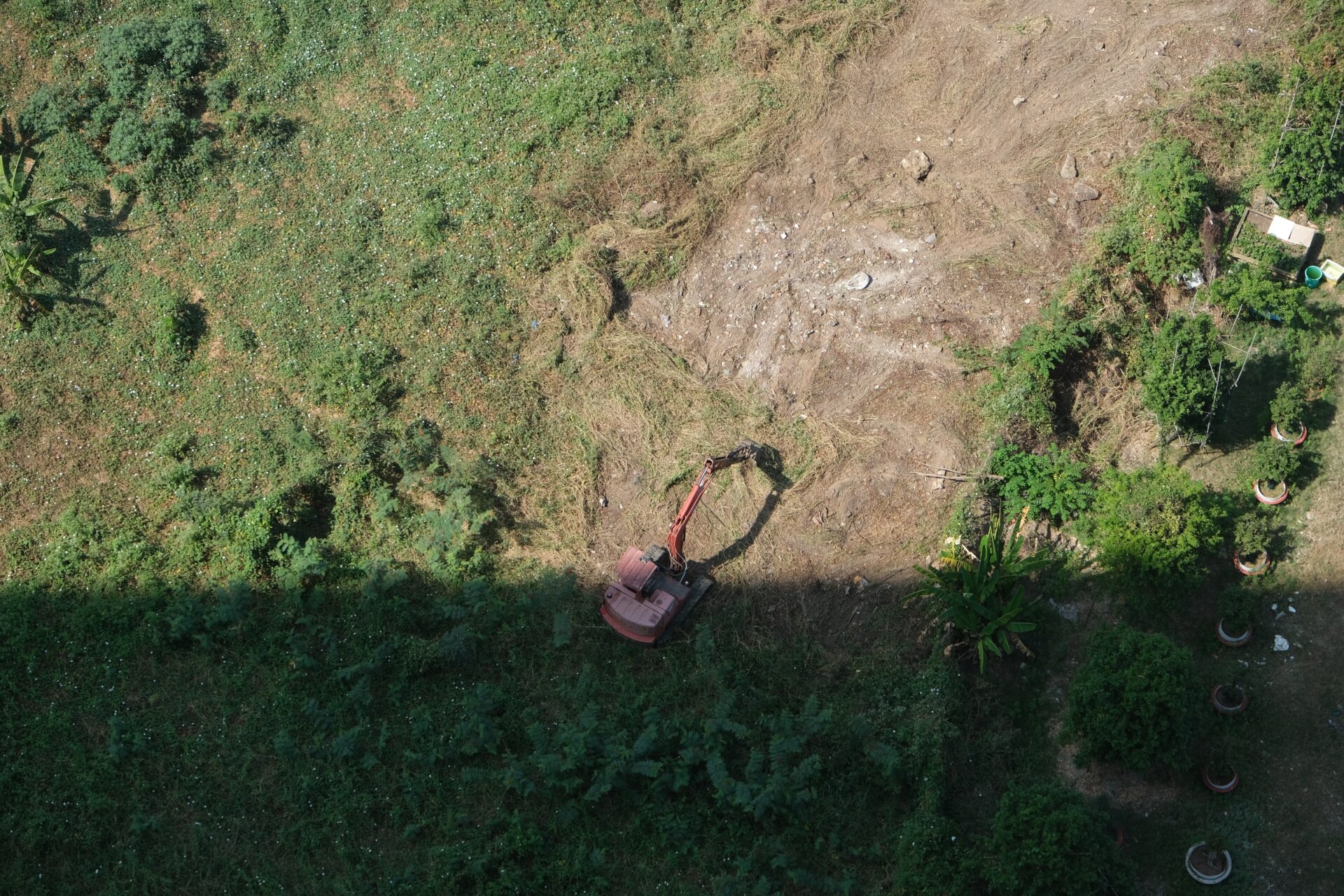
- Excavation and Removal: Contaminated soil is excavated and transported to a safe disposal site.
- Bioremediation: Uses microorganisms to break down pollutants in the soil or water.
- Soil Washing: Involves washing the soil with a solution to remove contaminants.
- Chemical Treatment: Chemicals are used to neutralize or break down pollutants.
- Phytoremediation: Plants are used to absorb or contain contaminants from the soil.
Choosing the Right Remediation Strategy
The choice of remediation strategy depends on several factors, including the type of contaminants, the extent of contamination, and the intended future use of the land. Consulting with environmental experts can help property owners make informed decisions about the best approach for their specific situation.
Regulatory Considerations
Remediation efforts must comply with local, state, and federal regulations. These laws ensure that the remediation process is conducted safely and effectively. Property owners should be aware of the legal requirements and obtain any necessary permits before starting remediation work.
Costs and Funding Options
Remediation can be costly, but there are funding options available to help property owners manage expenses. Grants, loans, and tax incentives may be available through government programs. It's important to explore these options and plan financially for the remediation process.
Benefits of Successful Remediation
Once remediation is complete, the land can be safely used for residential, commercial, or recreational purposes. Property values often increase, and the risk to human health and the environment is significantly reduced. Successful remediation can also enhance community well-being and contribute to sustainable development.
Conclusion
Contaminated land remediation is a crucial process for property owners facing pollution issues. By understanding the types of contaminants, assessing the land, and choosing the right remediation techniques, property owners can restore their land to a safe and valuable state. Compliance with regulations and exploring funding options can further facilitate the remediation journey, ultimately leading to a healthier environment and community.