How Contaminated Land Remediation Services Protect Public Health & Property Value
Understanding Contaminated Land
Contaminated land is an area where the soil, groundwater, or surface water contains hazardous substances. These contaminants can arise from industrial activities, agricultural practices, or improper waste disposal. The presence of such pollutants poses significant risks to both human health and the environment.
The Impact on Public Health
Contaminated land can have serious implications for public health. Exposure to hazardous substances can lead to a range of health issues, including respiratory problems, skin irritations, and even long-term illnesses such as cancer. Children and the elderly are particularly vulnerable to these health risks. By addressing contamination, remediation services play a crucial role in safeguarding the health of communities.
Protecting Property Value
Properties located on or near contaminated land often suffer from decreased value. Potential buyers are wary of the health risks and the costs associated with remediation. By cleaning up contaminated sites, remediation services help restore property values, making them more attractive to buyers and investors. This not only benefits property owners but also contributes to the overall economic health of the community.
Methods of Land Remediation
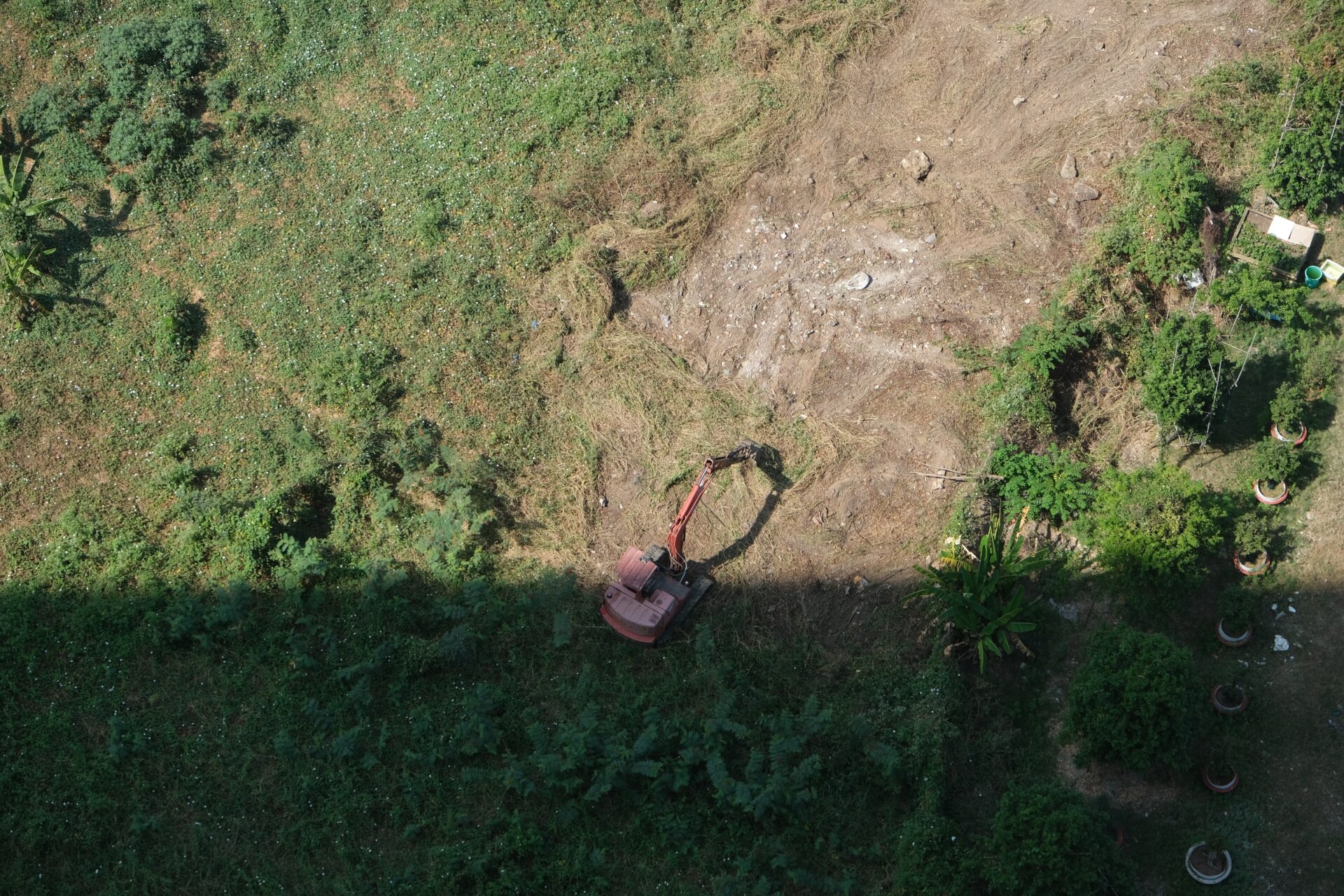
There are several methods used to remediate contaminated land, each tailored to the specific type of contamination. Techniques include soil washing, bioremediation, and thermal treatment. Soil washing involves physically removing contaminants from the soil, while bioremediation uses microorganisms to break down hazardous substances. Thermal treatment, on the other hand, involves heating the soil to evaporate volatile contaminants. Each method aims to reduce or eliminate the presence of harmful substances, ensuring the land is safe for use.
Environmental Benefits
Beyond protecting public health and property value, land remediation offers significant environmental benefits. By removing pollutants, these services help restore ecosystems, allowing native plants and wildlife to thrive. Clean land also reduces the risk of contaminants leaching into water sources, protecting aquatic life and ensuring safe drinking water for communities.
Legal and Regulatory Compliance
Many countries have strict regulations governing land contamination. Property owners and businesses are often required to address contamination issues to comply with environmental laws. Remediation services ensure that these legal obligations are met, avoiding potential fines and legal disputes. Compliance also enhances a company’s reputation, demonstrating a commitment to environmental responsibility.
Community Revitalization
Remediation of contaminated land can lead to community revitalization. Once cleaned, these areas can be transformed into parks, residential developments, or commercial spaces, providing new opportunities for growth and development. This revitalization can lead to job creation, increased tourism, and improved quality of life for residents.
Conclusion
Contaminated land remediation services are essential for protecting public health and maintaining property values. By addressing environmental hazards, these services ensure safe living conditions, promote economic growth, and contribute to the overall well-being of communities. Investing in remediation not only benefits current residents but also ensures a healthier, more prosperous future for generations to come.