```html
Understanding Contaminated Land Clearance
Contaminated land clearance is a critical process that ensures land is safe for use. It involves identifying, assessing, and remediating areas where hazardous substances may pose a risk to human health or the environment. This process is essential for redevelopment projects, ensuring that the land is suitable for residential, commercial, or industrial use.
Identifying Contaminated Sites
The first step in the process is identifying sites that may be contaminated. This involves reviewing historical land use records, conducting site inspections, and consulting with local authorities. Areas previously used for industrial activities, waste disposal, or chemical storage are often prioritized for investigation.
Conducting a Preliminary Site Assessment
Once a potentially contaminated site is identified, a preliminary site assessment is carried out. This involves collecting soil, water, and air samples to determine the presence and concentration of hazardous substances. The data collected helps in understanding the extent of contamination and the potential risks involved.
Risk Assessment and Analysis
After gathering preliminary data, a detailed risk assessment is conducted. This step evaluates the potential impact of the contamination on human health and the environment. Factors such as the type of contaminants, their concentration, and the pathways through which they could affect humans or ecosystems are considered.
Developing a Remediation Plan
Based on the risk assessment, a remediation plan is developed. This plan outlines the strategies and technologies to be used to clean up the site. Common remediation techniques include soil excavation, bioremediation, chemical treatment, and containment. The chosen method depends on the type and extent of contamination, as well as the intended future use of the land.
Implementing the Remediation Plan
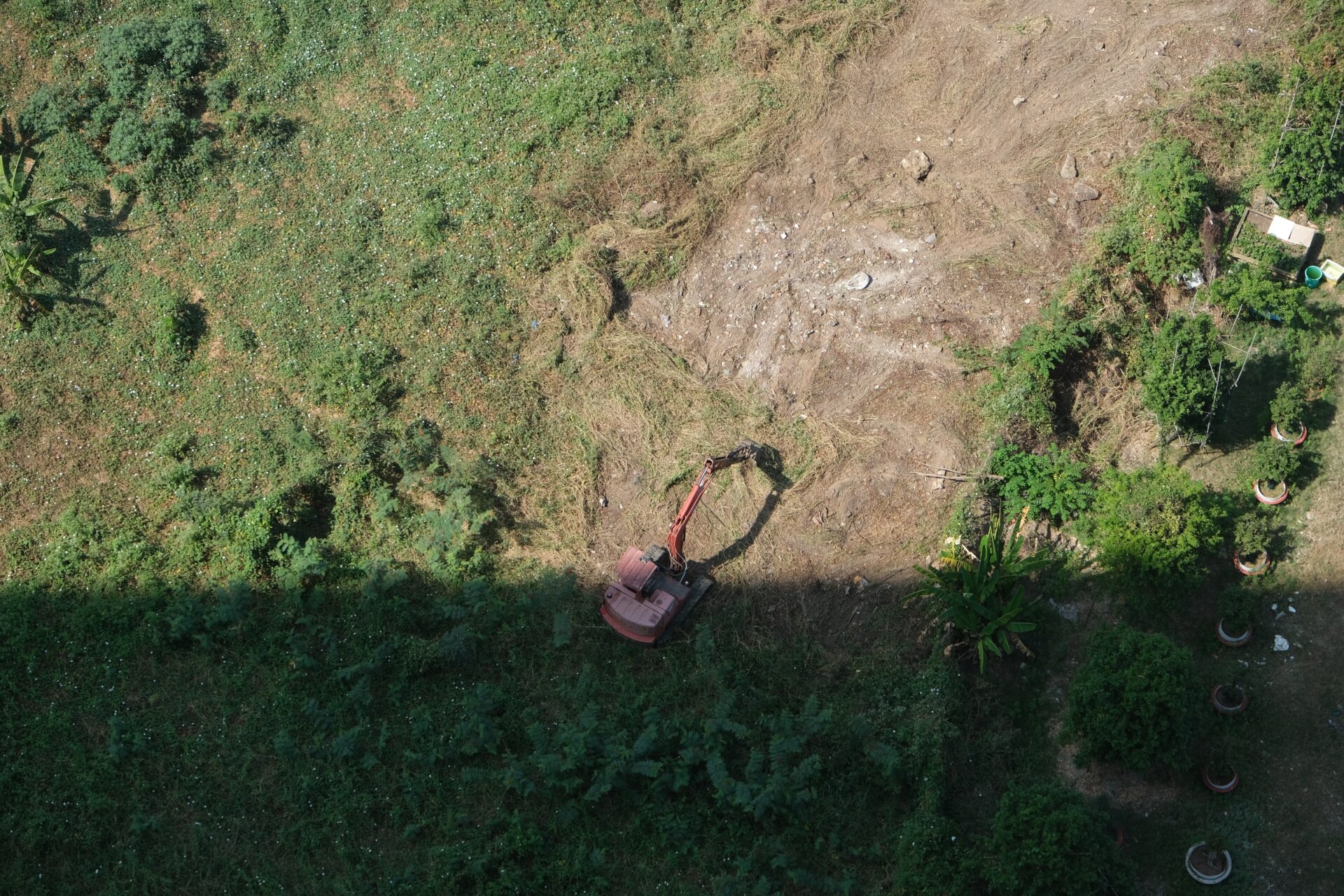
With a plan in place, the remediation process begins. This involves mobilizing the necessary equipment and personnel to the site. The remediation activities are carried out according to the plan, with ongoing monitoring to ensure that the cleanup is effective and that there are no unforeseen issues.
Monitoring and Verification
After remediation, the site is monitored to verify that the contamination levels have been reduced to acceptable standards. This involves additional sampling and analysis to confirm that the site is safe for its intended use. Monitoring may continue for some time to ensure that there are no residual risks.
Obtaining Regulatory Approval
Once the site has been successfully remediated, regulatory approval is sought. This involves submitting documentation and reports to the relevant authorities, demonstrating that the site meets all safety and environmental standards. Approval is necessary before the land can be redeveloped or used for its intended purpose.
Redevelopment and Future Use
With regulatory approval in hand, the site can be redeveloped. This could involve constructing new buildings, creating green spaces, or repurposing the land for industrial use. The successful clearance of contaminated land not only mitigates environmental risks but also opens up opportunities for economic development and community revitalization.
Conclusion
Contaminated land clearance is a comprehensive process that requires careful planning and execution. By following these steps, stakeholders can ensure that land is safely restored and ready for future use, benefiting both the environment and the community.
```